Dreaming about more land, more privacy, and room to spread out without leaving North County behind? Buying an estate or acreage home in Fallbrook can offer exactly that, but it also comes with questions you do not usually face on a standard suburban lot. If you are considering a move here, this guide will help you understand the lifestyle, land-use realities, and property details that matter most before you buy. Let’s dive in.
Why Buyers Look to Fallbrook
Fallbrook offers a different pace than many other parts of San Diego County. According to San Diego County planning materials, the community spans about 36,000 acres and is known for rolling hills, orchards, and a long-established town center with a historic district.
For many buyers, that setting is the appeal. You may be trading some coastal convenience for more land, more privacy, and a distinctly rural or semi-rural feel, while still having a defined downtown for everyday needs. The county community plan also notes that Fallbrook has preserved its rural character and small-town values, which is a big part of why estate buyers continue to look here.
What “Estate” Means in Fallbrook
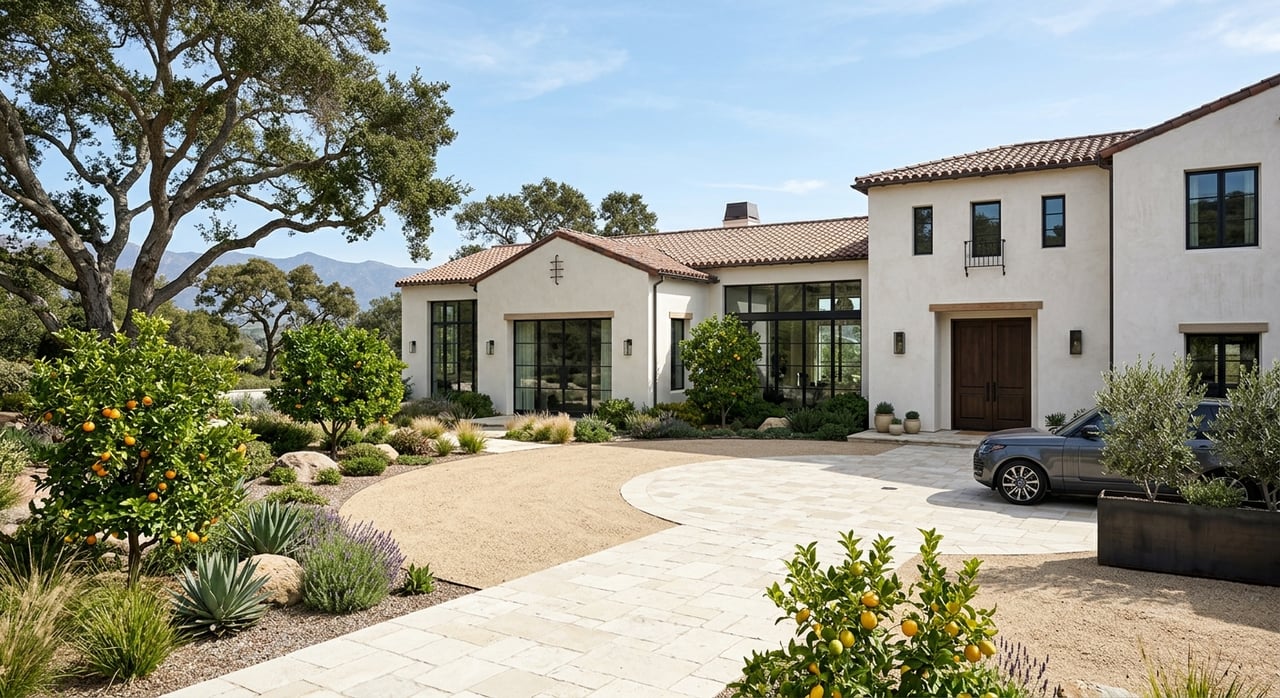
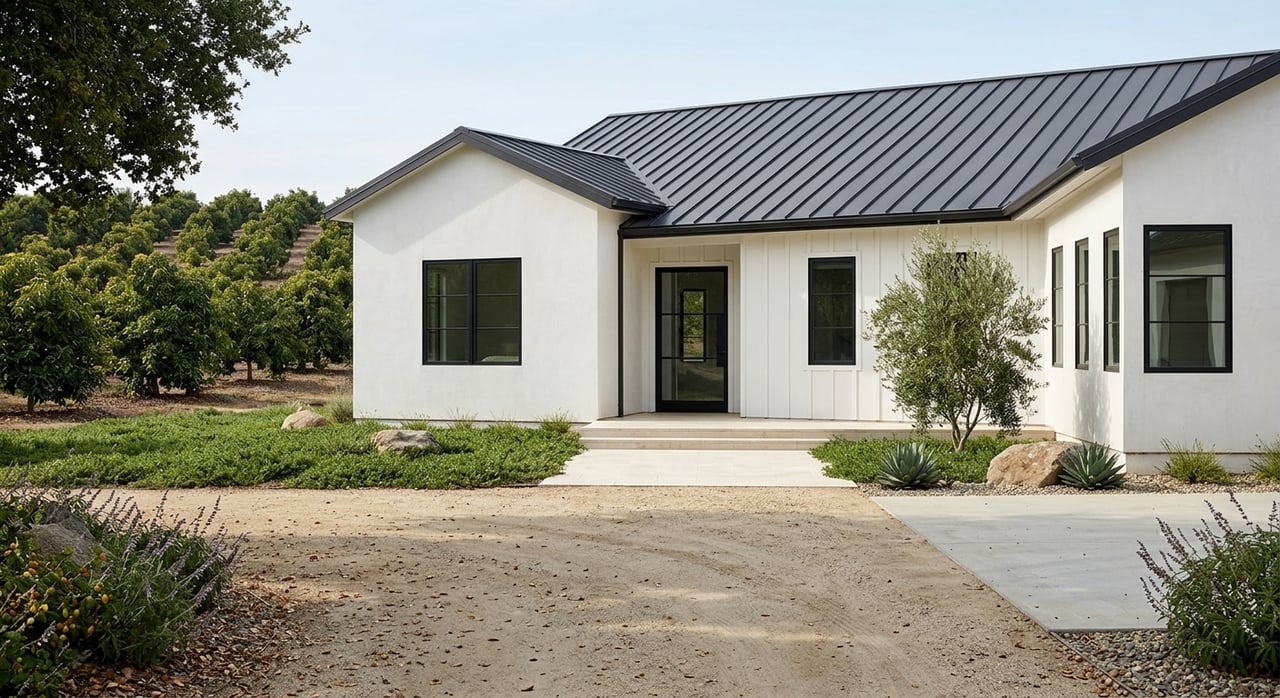
In Fallbrook, an estate property often means more than just a larger house. It can also mean usable land, wider spacing between homes, agricultural potential, mature landscaping, grove property, or room for hobbies that need more space.
The Fallbrook Community Plan encourages low-density residential and agricultural uses and specifically supports country estates that combine residential and light agricultural uses, especially groves. It also identifies minimum lot sizes of one-half gross acre in Semi-Rural areas and one acre in Rural Lands.
That matters because acreage in Fallbrook is not the same as a large tract-home lot. A parcel may look spacious on paper, but the actual usability of the land can depend on slope, access, drainage, utility service, and zoning constraints.
The Fallbrook Lifestyle Tradeoff
If you are drawn to Fallbrook, chances are you are prioritizing space and privacy. That choice can be a smart fit if you want distance from denser neighborhoods, value a land-oriented lifestyle, or simply want a property that feels more tucked away.
At the same time, commute patterns are part of the equation. The county notes that Fallbrook has limited east-west connections, with SR-76 and I-15 serving as key highway corridors, and Census QuickFacts reports a mean travel time to work of 32.8 minutes. Exact drive times vary significantly depending on where the parcel sits and where you need to go.
Equestrian and Outdoor Appeal
Fallbrook has a well-earned reputation for a horse-friendly, trail-oriented setting. The county’s community trails and pathways plan supports the voluntary dedication and development of equestrian and hiking trails, and the Santa Margarita River Open Space Preserve includes about 14 miles of public hiking and equestrian trails.
That said, it is important to separate community character from parcel-specific rights. Just because an area feels equestrian-friendly does not mean every property is automatically suited for horse use. Zoning, topography, access, and site conditions still need to be verified for each home.
Land Questions Matter More Here
One of the biggest mindset shifts for buyers is this: acreage does not automatically mean future flexibility. In Fallbrook, parcel-level due diligence often matters more than it would in a typical suburban neighborhood.
The county plan emphasizes preservation of rural charm and discourages grading that unduly disrupts natural terrain. It also limits sewer expansion to help maintain the community’s rural character. As a result, questions about grading, drainage, access, and permit history should be part of your review from the very beginning.
Before you move forward on a property, it helps to look closely at:
- Zoning and allowed uses
- Lot size and configuration
- Slope and grading constraints
- Drainage patterns
- Easements and access rights
- Permit history for improvements
- Existing agricultural or grove infrastructure
Water, Sewer, Wells, and Septic
Utilities are one of the most important parts of buying an estate or acreage home in Fallbrook. Some properties are served by district utilities, while others rely on private systems.
The Fallbrook Public Utility District provides water, sewer, and reclaimed water service to the town of Fallbrook and surrounding residential and agricultural areas across roughly 28,199 acres. FPUD also offers special agricultural water rates for qualifying commercial agricultural properties, although it notes that water deliveries may be subject to allocations or reductions during drought or supply emergencies.
Still, district service is not guaranteed on every parcel. On more rural properties, septic and well issues can come into play, and those should be confirmed early.
County guidance explains that septic installation and modification are regulated by Environmental Health and Quality, that septic sizing for private residences depends on percolation data and bedroom count, and that well-water samples must be collected by qualified individuals and tested by certified drinking-water laboratories.
In practical terms, you will want to confirm:
- Whether the property has district water, a private well, or another service setup
- Whether it is connected to sewer or uses a septic system
- The age, condition, and documentation for any septic components
- Whether well testing or additional inspections are needed
- Whether irrigation or agricultural water needs are realistic for the site
Road Access and Maintenance
Road access can be a quiet issue that becomes a very big issue after closing. On acreage properties, the route to the home can affect convenience, upkeep, and emergency planning.
The Fallbrook community plan states that county roads are maintained by DPW, but many private roads are maintained through road-maintenance agreements or, in some cases, have no agreement at all. That means you should not assume that every access road is publicly maintained just because it serves multiple homes.
When you are evaluating a property, ask clear questions about:
- Whether the road is public or private
- Who maintains it
- Whether a recorded maintenance agreement exists
- Current road condition and seasonal concerns
- Ease of access for larger vehicles, guests, and service providers
Wildfire Readiness Is Part of Ownership
Wildland fire is a real consideration in this part of North County. For buyers looking at homes with more land, natural vegetation, or hillside placement, wildfire planning should be viewed as a basic part of ownership.
County emergency planning for Fallbrook, Bonsall, De Luz, and Rainbow identifies wildland fire as a hazard and recommends safety zones and multiple evacuation routes. In addition, current state guidance requires properties in State Responsibility Areas or very high fire hazard zones to maintain defensible space.
This does not mean acreage ownership is a bad fit. It simply means you should assess the property with a rural-owner mindset. Access, vegetation management, and evacuation planning are all worth reviewing before you buy.
The area is supported by established public safety agencies, including the North County Fire Protection District and Fallbrook Sheriff Substation coverage noted by the county. Even so, parcel-specific preparedness still matters.
What the Market Says
Fallbrook is not a bargain inland market. If you are shopping here, it helps to set expectations accordingly.
As a current market reference, Realtor.com reported a median home sale price of about $999,000 in February 2026, with a median of 53 days on market and a balanced market. Census QuickFacts also reports a 2020-2024 median owner-occupied housing value of $784,100.
Those figures are measured differently, so they are not directly interchangeable. Still, they point to the same conclusion: buyers are paying for a lifestyle that combines land, privacy, and a distinct North County setting.
A Smart Buying Strategy for Fallbrook Acreage
Buying an estate or acreage property usually requires a more layered review process than buying in a standard neighborhood. The right strategy is less about moving fast and more about asking better questions early.
A thoughtful buying approach often includes:
- Defining how you want to use the land
- Confirming zoning and parcel constraints
- Reviewing utility service and infrastructure
- Investigating road access and maintenance
- Looking at wildfire exposure and evacuation practicality
- Evaluating ongoing upkeep, not just purchase price
This is where working with a local team can make a meaningful difference. When you understand both the lifestyle upside and the property-specific realities, you are in a much stronger position to buy with confidence.
If you are considering an estate or acreage home in Fallbrook, Colucci & Co. offers a concierge-level approach designed to help you evaluate lifestyle fit, property details, and the practical questions that come with buying in unique North County settings.
FAQs
What makes buying acreage in Fallbrook different from buying a standard home lot?
- Acreage properties in Fallbrook often require closer review of zoning, grading, drainage, access, utilities, and permit history than a typical suburban home would.
Does every Fallbrook estate property have district water and sewer service?
- No. Some properties are served by FPUD, while others may involve wells, septic systems, or different infrastructure that should be verified early in the process.
Can you keep horses on any estate property in Fallbrook?
- No. Fallbrook has an equestrian-friendly character and public trail access, but horse use on a specific parcel depends on zoning, access, topography, and site conditions.
Is Fallbrook a good fit if you commute outside the area?
- It can be, especially if you value space and privacy, but commute times vary by parcel and destination, and the county notes limited east-west connections.
What is the biggest surprise for first-time acreage buyers in Fallbrook?
- Many buyers underestimate the importance of road maintenance, wildfire preparedness, water and wastewater systems, and long-term property upkeep.
Are estate homes in Fallbrook only for agricultural buyers?
- No. Some buyers want grove or light agricultural potential, while others simply want privacy, land, and a rural or semi-rural lifestyle.