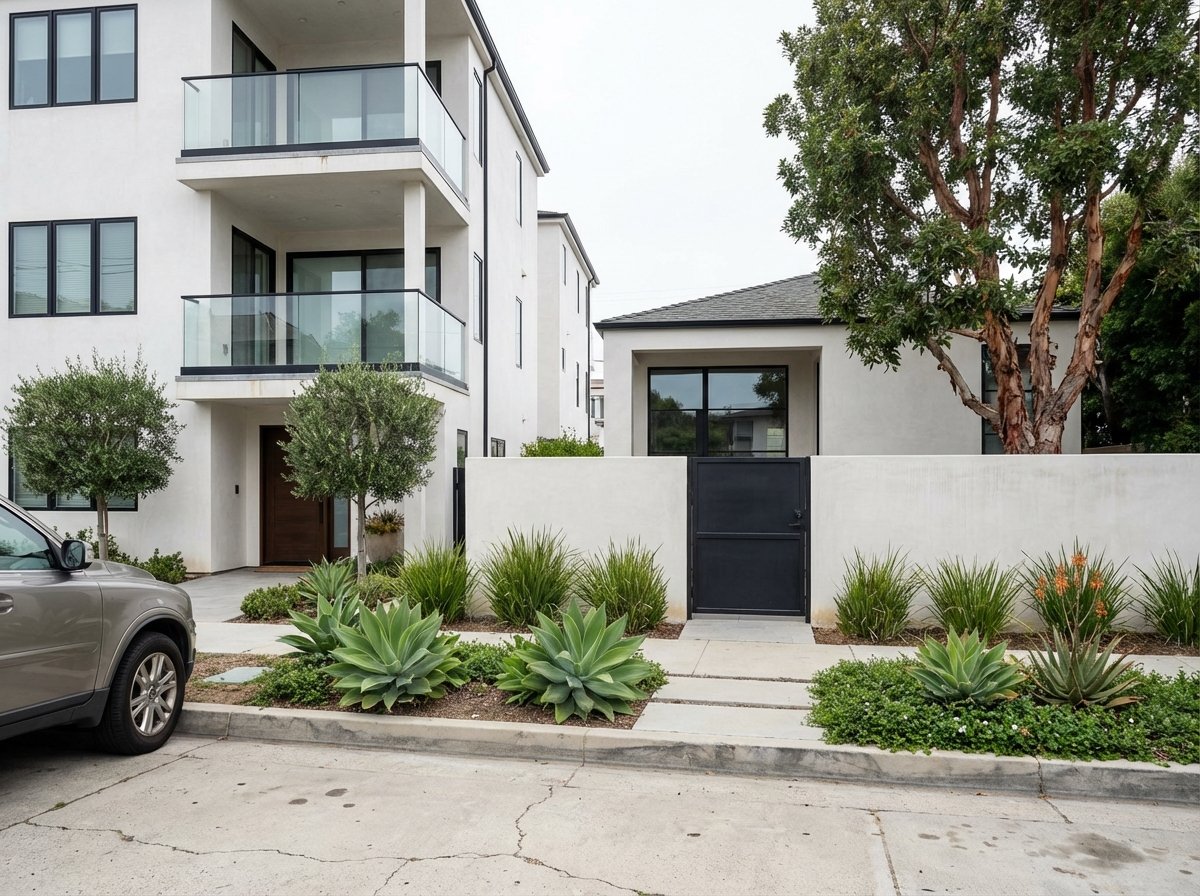
Torn between a low‑maintenance La Jolla condo and the space of a coastal home? You’re not alone. Downsizers, second‑home buyers, and relocating professionals often weigh lifestyle, privacy, upkeep, and long‑term value before deciding. In this guide, you’ll get a clear, side‑by‑side look at daily living, costs, financing, insurance, and coastal risks so you can choose with confidence. Let’s dive in.
Quick market context
La Jolla is one of San Diego’s premium coastal markets, with recent snapshots placing typical home values in roughly the $2.3M to $3.2M range. Prices vary by neighborhood and property type. Condos in compact, walkable pockets near the Village often trade differently than detached homes in bluff‑top or canyon areas.
Walkability also shifts by micro‑location. The Village and areas near Prospect Street and the Cove offer more shops and dining within a short stroll, while hillside neighborhoods tend to prioritize views and privacy over walk‑to conveniences. Always compare lifestyle and price by neighborhood, not just by property type.
Condo living in La Jolla
Daily life and amenities
Many condo communities handle exterior maintenance, landscaping, roofing, common‑area utilities, and amenities like pools or fitness rooms. You trade hands‑on upkeep for a predictable monthly HOA fee and convenient features under one roof.
Privacy and rules
Condos typically share walls, floors, or ceilings, so you’ll rely on community guidelines for noise, renovations, rentals, and use of common areas. California’s condo governance falls under the Davis‑Stirling Act, so it’s smart to review the HOA’s CC&Rs, bylaws, budget, reserves, meeting minutes, and insurance summary before you buy. Learn how associations operate under the Davis‑Stirling framework.
Maintenance reality
Ocean air is tough on materials. While HOAs often plan for exterior upkeep, significant repairs can lead to special assessments if reserves are short. You gain convenience but accept shared decision‑making and building‑level financial health as part of your investment.
Coastal home living
Space and privacy
Detached homes deliver more privacy, yard space, and flexibility for pets, gardens, or future projects, subject to local zoning. If you want outdoor living or separation from neighbors, a house usually wins.
Upkeep near the ocean
You own the exterior and all systems, which means you budget for roof, gutters, paint, hardscape, and landscaping. Coastal exposure increases inspection and repair frequency. Salt air can speed corrosion of metal fasteners and HVAC components, and it can stress roofs and railings. Review coastal maintenance tips from roofing and coastal experts.
Costs and financing
Purchase price and monthly costs
Condos can offer a lower entry price but include monthly HOA dues that commonly range from a few hundred dollars to over $1,000 per month depending on amenities, reserves, and insurance. Detached homes typically carry a higher purchase price and ongoing maintenance but often have no monthly HOA.
Condo project underwriting
Not every condo qualifies for every loan. Lenders review the entire project for reserve strength, insurance, and other standards. That can affect down payment options and interest rates. Get familiar with project‑level reviews in Fannie Mae’s condo standards.
FHA/VA considerations
If you plan to use FHA or VA financing, the condo building usually needs to appear on an approved list or obtain approval. This step can be decisive for your loan choice and timeline. Read an overview of FHA‑approved condo requirements.
Insurance basics
Condo coverage
Condo owners typically carry an HO‑6 policy for personal property, interior improvements, liability, and sometimes loss‑assessment coverage. The HOA maintains a master policy that might be “walls‑in,” “bare‑walls,” or “all‑in,” which changes what you insure in your unit. Review what an HO‑6 usually covers in this condo insurance guide.
Coastal hazards
Standard policies do not include flood or earthquake coverage. In California, earthquake coverage is available through the California Earthquake Authority and private markets. Talk with your insurer early and compare quotes for flood and quake based on the specific address. Start here for earthquake insurance basics.
Coastal risks and permits
Sea‑level rise and coastal erosion are ongoing planning issues in California. These factors influence insurance, permitting, and long‑term resilience for the most exposed parcels. Explore the science and policy context through the California Coastal Commission’s sea‑level resources, and use FEMA’s Flood Map Service Center to check a property’s exact designation on FEMA flood maps. For bluff‑edge homes, review any site reports and past permits during due diligence.
Rentals and second homes
If you intend to rent the property part‑time, San Diego’s Short‑Term Residential Occupancy program requires licensing and compliance by tier. HOA rules may also limit or prohibit rentals. Confirm a property’s eligibility and requirements on the city’s STRO program page.
Building safety for condos
California now requires periodic inspections of exterior elevated elements like balconies and exterior stairs for condos and multifamily properties. These SB 326 and SB 721 inspections can lead to repair plans or assessments if issues are found. Learn the basics of SB 326 and SB 721 inspections, and ask for any recent reports or budgets when you review HOA documents.
Walkability and lifestyle fit
If you love stepping out to cafes, galleries, and the Cove, a condo near the Village can offer a lock‑and‑leave lifestyle with less car dependence. If you want quiet outdoor space, room for a garden, or long ocean views from a private perch, a detached home on the hillsides may be the better fit. Both paths can deliver the La Jolla lifestyle, just with different tradeoffs.
Due diligence checklist
Use this quick list to compare options and avoid surprises:
- HOA health for condos: Request the full resale packet with budget, reserve study, CC&Rs/bylaws, master insurance summary, meeting minutes, and litigation disclosures. Confirm any recent SB 326 balcony inspection findings and how repairs are funded under the association’s rules. See the Davis‑Stirling framework for what’s typically disclosed.
- Coastal maintenance planning for houses: Order inspections focused on roof, gutters, exterior metal, railings, and HVAC corrosion, and ask for engineer reports if near bluffs. Review coastal wear guidance from roofing and coastal experts.
- Insurance quotes early: For condos, confirm HO‑6 needs versus the master policy type. For both property types, price separate flood and earthquake policies based on the exact address.
- Financing check for condos: Ask your lender about project warrantability for conventional loans and whether the building is eligible for FHA/VA. Review Fannie Mae’s condo standards and this FHA overview of approved condo requirements.
- Rental rules: Verify San Diego’s requirements on the city’s STRO page and confirm HOA rental limits.
- Flood and shoreline context: Look up the address on FEMA flood maps and check local coastal policies and permit history for bluff‑edge or beachfront parcels through the California Coastal Commission.
Which option fits you?
Choose a La Jolla condo if you want:
- A low‑maintenance, lock‑and‑leave lifestyle.
- Access to on‑site amenities and improved walkability.
- Predictable exterior upkeep through an HOA.
Choose a La Jolla coastal home if you want:
- More privacy, outdoor space, and flexibility.
- Control over your property and upgrades.
- A primary residence feel with room to spread out.
Ready to explore both paths with a local, high‑touch team? Let’s build a plan that fits your lifestyle, budget, and long‑term goals. Book a complimentary consultation with Colucci & Co..
FAQs
What’s the main cost difference between condos and houses in La Jolla?
- Condos often have a lower entry price but include monthly HOA dues that can range from a few hundred to over $1,000 depending on amenities and reserves. Houses may cost more upfront and carry variable maintenance, but often have no monthly HOA.
How do La Jolla’s coastal conditions change maintenance needs?
- Salt air can accelerate wear on roofs, railings, metal fasteners, and HVAC systems. Expect more frequent inspections and proactive upkeep, whether you own a condo or a house.
Do all La Jolla condos qualify for conventional, FHA, or VA loans?
- No. Lenders review the entire project’s financials, reserves, insurance, and other factors. FHA/VA also require project approval, which can affect your loan options and timeline.
What insurance do I need near the coast?
- Condos typically need an HO‑6 policy that complements the HOA’s master policy. Both condos and houses may need separate flood and earthquake policies, which are priced by address and structure.
Can I short‑term rent my La Jolla property?
- Possibly, but you must follow San Diego’s STRO licensing rules and any HOA rental restrictions. Check eligibility before you buy if rental income is part of your plan.
How do sea‑level rise and erosion affect value and use?
- These factors can influence permitting, insurance availability, and long‑term resilience for the most exposed parcels. Verify flood mapping and coastal policy context during due diligence.